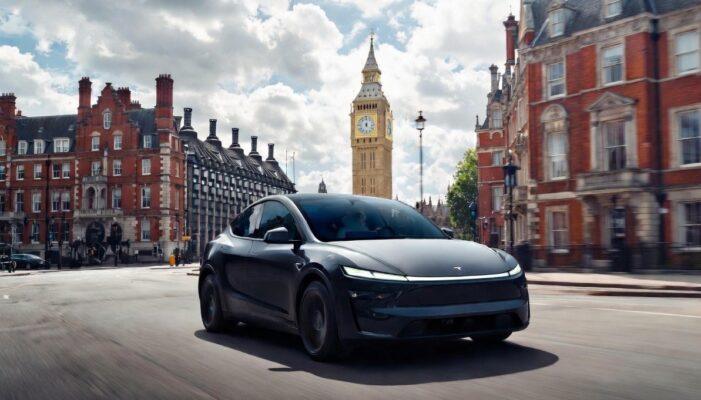
Tesla’s Full Self-Driving capability has already changed how people drive in the United States, making journeys smoother and less stressful for owners who trust the system to handle most tasks. As excitement builds among UK Tesla enthusiasts, the big question remains: when will this advanced driver-assist feature arrive on British roads?
Regulations play a central role in this process, and recent developments suggest a more straightforward path forward. In this article, we explore the key regulatory hurdles, from European approvals to UK-specific laws, and outline a realistic timeline for both supervised and unsupervised versions of FSD.
When Can UK Drivers Expect Supervised FSD?
Supervised Full Self-Driving requires the driver to stay alert and ready to take over at any moment, much like advanced cruise control systems already in use today. This version focuses on safety through constant monitoring, and its approval depends heavily on demonstrations that prove it performs as well as a careful human behind the wheel. Given the delays at the UNECE level and the UK’s own regulations, we’re expecting a supervised Tesla FSD launch in the UK in 2026, with unsupervised in 2027.
What Makes Unsupervised FSD a Bigger Challenge in the UK?
Unsupervised Full Self-Driving takes things further by allowing the vehicle to operate without any human intervention in certain conditions, shifting responsibility entirely to the system. This level demands extensive evidence of reliability, often gathered from millions of real-world miles, before regulators feel confident enough to approve it.
FAQ
Does supervised FSD mean drivers can fully relax on UK roads?
In what ways has Brexit impacted FSD approvals?
Could robotaxis reach consumers before personal FSD?
What happens if regulatory timelines slip?
This article is for informational purposes. Always refer to official Tesla communications and local regulators for the latest details.