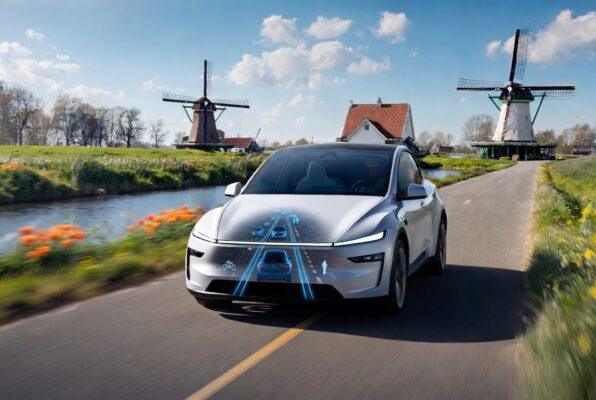
Tesla Full Self-Driving (Supervised) is on the verge of being approved for European drivers. The path forward runs through the Netherlands vehicle authority known as RDW. While bigger international rules create delays, this national step opens a practical way forward. Many Tesla owners in the region now see real hope for approval this year.
Why Has FSD Approval Taken So Long in Europe?
Europe places strong emphasis on vehicle safety standards. Advanced systems like FSD need to meet detailed requirements before they reach public roads. The main international framework comes from the United Nations Economic Commission for Europe, called UNECE.
What Role Does UNECE Play in the Holdup?
UNECE develops regulations that most European countries follow for new car technologies. Rules like those for automated lane keeping work well on highways but fall short for the complex city driving that FSD handles. Updating these global standards takes time because many nations must agree on every detail. This careful process ensures safety but slows down the introduction of new features.
How Does the RDW Step Fit Into the Bigger Picture?
The RDW offers a national route that lets Tesla show the system works in real conditions. Success here can create momentum that influences the wider UNECE process later on.
Why Does the RDW Approval Matter So Much Right Now?
Tesla chose the Netherlands as the starting point for good reason. The country supports testing innovative technologies through special procedures. One approval there opens doors elsewhere.
What Makes the Netherlands the Perfect Gateway?
Dutch rules allow exemptions for new driver assistance systems under controlled conditions. Once the RDW grants national approval, other European Union members can recognize it quickly through mutual recognition agreements. This approach works faster than waiting for every country to run its own full review.
How Will RDW Success Affect UNECE Regulations?
Real-world results from the Netherlands provide valuable proof for regulators. When officials see the system perform safely on European roads, they gain confidence to update UNECE rules sooner. The data from these tests helps shape the next version of international standards. In short, the RDW step does not replace UNECE work but actually speeds it up by showing what works in practice.
What Is Happening with the RDW Tests This February?
Tesla apparently prepared a special software patch to meet Dutch needs. The company scheduled the key demonstration for February 2026. As of now, supervised test drives with officials are taking place.
Have the Tests Already Started?
Supporters noticed increased activity, including public ride-along events. These sessions let people experience FSD on local roads. The pace suggests Tesla has completed most of the technical preparations and is now focusing on demonstrating safety to the authorities.
What Realistic Timelines Can Owners Expect in the Netherlands?
| Milestone | Expected Timing | Details |
|---|---|---|
| Key demonstration drives | February 2026 | Currently active with RDW officials |
| National approval decision | Late February or March 2026 | Based on test results |
| Software rollout to vehicles | 1 to 4 weeks after approval | Over the air update |
| Owners start using FSD | Early second quarter 2026 | Supervised use on public roads |
FAQ
Why is UNECE causing delays for Tesla FSD in Europe?
How does the RDW step help overcome the UNECE holdup?
When could FSD launch in the Netherlands?
Will other EU countries get FSD quickly after the Netherlands?
What about FSD in the UK specifically?
This article is for informational purposes. Always refer to official Tesla communications and local regulators for the latest details.